
How Much Is a Lie Detector Test? Costs, and When Polygraphs Are Legal
Contents
Last reviewed: October 3, 2026. This article is general information, not legal advice. Polygraph rules differ by state and by type of employer; check your state's law or speak to an employment lawyer if your job is at stake.
People look up lie detector tests for all kinds of reasons: a relationship, a dispute, a criminal case, or an employer who has just mentioned the word "polygraph". Price is part of the question, but whether a test is legal, required or useful often matters more.
Short answer: the cost of a private polygraph varies with the examiner, location and type of exam, so get written quotes rather than trusting a number online. Legally, the key point for most people is that private employers generally can't require or even ask you to take one, under the federal Employee Polygraph Protection Act (EPPA). And in court, polygraph results are often excluded because their reliability is disputed.
What counts as a "lie detector"
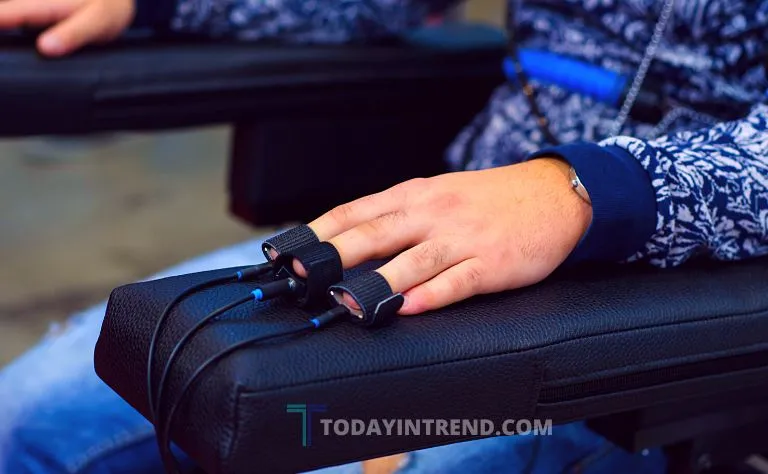
The law's definition is broad. Under 29 U.S.C. § 2001, a "lie detector" includes "a polygraph, deceptograph, voice stress analyzer, psychological stress evaluator, or any other similar device" used to give an opinion about whether someone is honest. A polygraph is a specific instrument that continuously records changes in cardiovascular, respiratory and electrodermal (skin) activity.
So an employer can't get around the law by using a voice-stress app instead of a polygraph.
When an employer can use a polygraph
The EPPA has exceptions. According to the Department of Labor, they cover:
- Government employers. Federal, state and local governments are excluded, which is why police departments and federal agencies can use polygraphs in hiring.
- National security work. Tests given by the federal government to employees of federal contractors doing national security intelligence or counterintelligence work.
- Security service firms, such as armored car, alarm and guard companies.
- Pharmaceutical manufacturers, distributors and dispensers.
- Ongoing investigations of workplace incidents that caused economic loss, such as theft, where the employee had access to the property and is reasonably suspected. Before the test, the employee must be given a statement explaining the specific incident being investigated.
Even under an exception, you have rights. Under 29 U.S.C. § 2007, you can stop the test at any time, questions may not be asked in a way meant to degrade you or needlessly intrude, and the examiner may not ask about your religious beliefs, beliefs on racial matters, political beliefs, sexual behavior, or union beliefs and lawful union activities. An examiner may also run no more than five tests a day, and each must last at least 90 minutes.
If an employer breaks the rules
- Report it to the Department of Labor's Wage and Hour Division at 1-866-487-9243.
- Sue privately. Employees can seek relief such as reinstatement, promotion and payment of lost wages and benefits. The action must be brought within 3 years of the violation.
- Check state law too. The EPPA does not override state or local laws, or union contracts, that ban lie detector tests or restrict them more strictly (29 U.S.C. § 2009).
Employers covered by the law must also display the Department of Labor's EPPA poster.
Polygraphs in court
Outside the workplace, people often hope a passed polygraph will clear their name in a criminal or family case. Courts are cautious.
In United States v. Scheffer, 523 U.S. 303 (1998), the Supreme Court upheld a military rule banning polygraph evidence, saying: "There is simply no consensus that polygraph evidence is reliable: The scientific community and the state and federal courts are extremely polarized on the matter." The Court described the picture at the time: most states kept rules excluding polygraph evidence altogether, some federal appeals courts left it to the trial judge's discretion, and New Mexico was unusual in generally admitting it.
In practice, that means:
- A result usually can't prove you're telling the truth, or lying, in court. Rules vary by state and court, so ask a lawyer how your jurisdiction treats it.
- If police ask you to take a polygraph, talk to a lawyer first. Anything you say before, during or after the test may matter more than the chart itself.
What affects the cost
There is no official price list, so be wary of websites quoting exact figures. What you pay generally depends on:
- The examiner's training and experience. Ask about their training and check whether your state licenses polygraph examiners.
- The purpose. A private "relationship" test, a test arranged by a defense lawyer and a pre-employment exam are different services.
- Scope. The number of issues and questions affects how long the exam takes, including the pre-test interview.
- Extras, such as travel, a detailed written report, or court testimony.
Ask for a written quote, check the examiner's credentials, and be realistic about what the result can do for you. If the test is for a legal case, let your lawyer arrange it.
If honesty is at issue in a custody dispute, our article on what happens when a parent lies in a custody case may help.
Can my employer make me take a lie detector test?
Most private employers can't. The Employee Polygraph Protection Act forbids them to require, request or even suggest a lie detector test, or to punish you for refusing. Exceptions include government employers, security service firms, pharmaceutical businesses and certain investigations of workplace losses such as theft.
Are polygraph results admissible in court?
Often not. In United States v. Scheffer (1998), the Supreme Court said there was "simply no consensus that polygraph evidence is reliable" and upheld a military rule banning it. At that time most states excluded polygraph evidence outright, while some federal appeals courts left it to the trial judge's discretion.
How much does a private polygraph test cost?
There's no set price. It depends on the examiner, where you live, the type of exam and how many issues it covers. Ask several examiners for a written quote that says what's included, such as the pre-test interview and a written report.
What can't I be asked during an employment polygraph?
Under 29 U.S.C. § 2007, when an employer tests you under one of the EPPA exceptions, you may not be asked about religious beliefs, beliefs about racial matters, political beliefs, sexual behavior, or union beliefs and lawful union activities. You can also stop the test at any time.
Where do I report an employer who broke the polygraph law?
Contact the US Department of Labor's Wage and Hour Division at 1-866-487-9243 (1-866-4-US-WAGE). You can also sue privately; the action must be brought within 3 years of the violation.
Sources
- Employee Polygraph Protection Act, 29 U.S.C. § 2001 (definitions): Cornell LII
- 29 U.S.C. § 2002 (prohibitions): Cornell LII
- 29 U.S.C. § 2007 (rights of examinees): Cornell LII
- 29 U.S.C. § 2009 (effect on state law): Cornell LII
- US Department of Labor, Employee Polygraph Protection Act: dol.gov
- US Department of Labor, Fact Sheet #36: dol.gov
- United States v. Scheffer, 523 U.S. 303 (1998), syllabus: Cornell LII
- United States v. Scheffer, opinion of the Court: Cornell LII

About Farrukh Shahzad
Farrukh Shahzad is the founder and researcher behind TodayinTrend. He is not a lawyer and does not give legal advice — he reads the statutes, court rules and official data, then explains what they actually say in plain English.
Torture is limited times. You can’t lie about this .
Who would know but, a torture victim?