
Are Tracer Rounds Legal? Federal Rules, State Limits and Fire Bans
Contents
Last reviewed: October 12, 2026. This article is general information, not legal advice. Tracer rules depend on your state and on who manages the land you shoot on, and fire restrictions change by season, so check current rules before you buy or shoot.
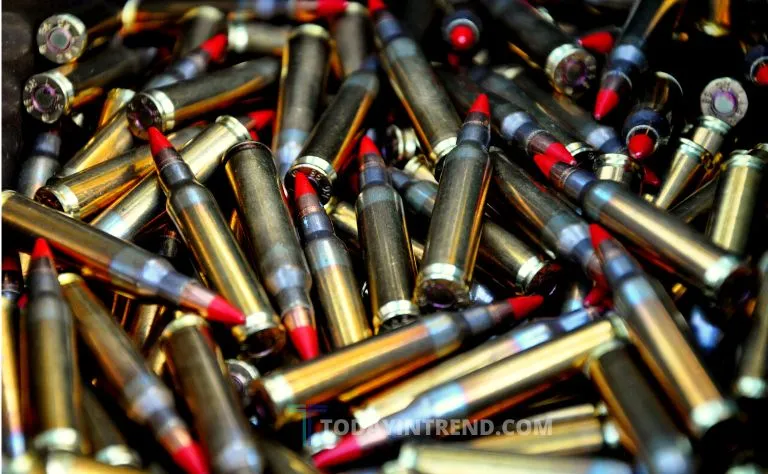
Tracer rounds contain a small pyrotechnic compound in the base of the bullet that burns as it flies, so the shooter can see the bullet's path. That burning material is exactly why the law treats them differently from ordinary ammunition: a hot tracer landing in dry grass can start a wildfire.
Short answer: Are tracer rounds legal? In most of the US, owning ordinary small-arms tracer ammunition isn't banned by federal law. What is restricted is firing it. Federal rules ban firing tracers on national forests and on Bureau of Land Management (BLM) land, and several states restrict them, with New Jersey banning their discharge almost entirely. So "legal to buy" and "legal to shoot here" are two different questions.
Federal law: owning versus shooting
Owning and buying
We found no federal statute that bans civilians from owning ordinary small-arms tracer ammunition. A few points that sometimes cause confusion:
- Not "explosives". The federal explosives law states that it does not apply to "small arms ammunition and components thereof" (18 U.S.C. § 845(a)(4)). Claims that the ATF treats everyday tracer cartridges as explosive materials are not supported by that text.
- Not "armor piercing" by definition. The federal definition of armor-piercing ammunition in 18 U.S.C. § 921(a)(17)(B) is based on what the projectile or its core is made of, or the jacket weight in certain handgun bullets. Being a tracer doesn't place a round in that category, but a round can fall into it for other reasons.
- Normal ammunition rules apply. A licensed dealer may not sell any ammunition to someone under 18, or handgun ammunition to someone under 21 (18 U.S.C. § 922(b)(1)). People prohibited from having firearms, such as those with felony convictions, also may not possess ammunition (§ 922(g)).
Shooting on federal land
This is where federal law bites.
- National forests. 36 CFR 261.5(b) bans firing any tracer bullet or incendiary ammunition on National Forest System lands, all year round. Under 36 CFR 261.1b, a violation can bring up to six months in jail and a fine.
- BLM public lands. 43 CFR 9212.1(b) bans firing a tracer on public lands unless an authorized officer permits it in writing. A knowing and willful violation can bring a fine of up to $1,000, up to 12 months in jail, or both (43 CFR 9212.4).
- Local fire orders. BLM and Forest Service offices also issue fire prevention orders. For example, the BLM California statewide fire prevention order, in effect from February 13, 2026, to December 31, 2030, prohibits discharging a firearm using tracer or incendiary ammunition and notes that tracer use "is always prohibited on public lands." It warns that violators may be fined up to $100,000 and/or jailed for up to 12 months, and can be billed for fire suppression and damage costs.
State restrictions: some examples
States regulate tracers in different ways. These examples are verified; your state may have its own rule, so check your state code and your state forestry or fire agency.
- New Jersey. N.J.S.A. 2C:58-10 bans discharging incendiary or tracer ammunition anywhere in the state, except by law enforcement on duty or by recognized military organizations on military establishments or ranges. Non-incendiary shotgun tracer ammunition may be used on a trap or skeet field.
- Nevada. NRS 476.070 makes it a misdemeanor to discharge tracer or incendiary ammunition on any grass, brush, forest or crop-covered land, with exceptions for the armed forces, the National Guard on active duty and law enforcement.
- Oregon. ORS 477.512 prohibits discharging tracer ammunition during a declared fire season on land inside a forest protection district or within one-eighth of a mile of it, or firing tracers that cross above that land. A violation is a Class A violation.
- California. We could not verify a California statute that bans owning tracers, so check current state law. Firing them is banned on BLM land in California under the order above and on national forests under federal rules.
Practical tips if you own tracers
- Know who manages the land. Federal, state, county and private land can all have different rules. Assume tracers are banned on public land unless you have confirmed otherwise.
- Check fire season. Seasonal fire orders can ban shooting altogether, not just tracers.
- Ask the range first. Many ranges ban tracers, and range rules are a condition of using the range.
- Understand the liability. If a tracer starts a fire, you may face criminal charges and be billed for suppression and damage costs, which can be very large.
- Hunting. Hunting rules are set by state wildlife agencies and can restrict ammunition types. Our guide to legal requirements when selecting a firearm for hunting explains how those rules work.
Common mistakes
- Assuming legal to buy means legal to fire. Most tracer problems come from where they are shot, not from owning them.
- Thinking "it's my own land" makes it safe. State fire laws, such as Nevada's and Oregon's, can apply to private grass and forest land too.
- Relying on outdated forum posts. Fire orders are reissued often. Check the managing agency's current order.
Is tracer ammunition illegal under federal law?
We found no federal statute that bans civilians from buying or owning ordinary small-arms tracer ammunition. The usual federal ammunition rules still apply, such as age limits for buying from a licensed dealer and the ban on prohibited persons possessing ammunition. The main federal limits are on where tracers can be fired.
Did the ATF classify tracers as explosives?
Not for ordinary small-arms ammunition. The federal explosives law says it does not apply to "small arms ammunition and components thereof" (18 U.S.C. § 845(a)(4)).
Can I shoot tracers in a national forest or on BLM land?
No. Forest Service rules prohibit firing any tracer bullet on National Forest System lands (36 CFR 261.5(b)), and BLM rules prohibit firing a tracer on public lands unless an authorized officer permits it in writing (43 CFR 9212.1(b)).
Are tracer rounds legal in California?
Owning them is not addressed by any California statute we could verify, so check current state law before buying. Firing them is banned on BLM land in California under a statewide fire prevention order running to December 31, 2030, and on national forests under federal rules. Many private ranges ban them too.
Can I use tracers at a shooting range?
Only if the range allows it, and many don't because of the fire risk. Ask before you go, and follow any state rules such as New Jersey's, which allows only non-incendiary shotgun tracer ammunition on a trap or skeet field.
Sources
- 36 CFR 261.5, fire prohibitions on National Forest System lands (eCFR)
- 36 CFR 261.1b, penalty (eCFR)
- 43 CFR 9212.1, BLM fire prohibitions (eCFR)
- 43 CFR 9212.4, penalties (eCFR)
- BLM California Statewide Fire Prevention Order (2026)
- 18 U.S.C. § 845, exceptions to the federal explosives law (Cornell LII)
- 18 U.S.C. § 921, definitions including armor-piercing ammunition (Cornell LII)
- 18 U.S.C. § 922, unlawful acts (Cornell LII)
- N.J.S.A. 2C:58-10, incendiary or tracer ammunition (FindLaw)
- NRS 476.070, discharge of tracer or incendiary ammunition (Nevada.Public.Law)
- ORS 477.512, exploding targets and tracer ammunition (Oregon.Public.Law)

About Farrukh Shahzad
Farrukh Shahzad is the founder and researcher behind TodayinTrend. He is not a lawyer and does not give legal advice — he reads the statutes, court rules and official data, then explains what they actually say in plain English.
Leave a comment
Comments are reviewed before they appear. Please don't share private details about your case.