
By Law, What Color Is a Gondola in Venice, Italy? Black, and Here's Why
Contents
Last reviewed: October 3, 2026. This article is general information, not legal advice. Today's gondola rules are set locally in Venice, so check with the city or a licensed gondolier for current requirements.
If this question turned up in a quiz, a crossword or a trivia night, here's your answer, plus a little story to impress the table.
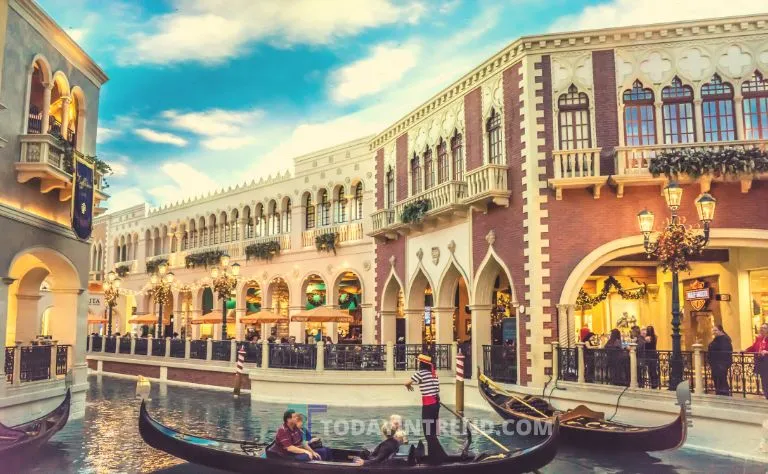
Short answer: gondolas in Venice are black. The tradition goes back to a 16th-century Venetian rule, usually dated to 1562, that ordered gondolas painted black to stop wealthy families competing with ever more lavish boats. Four and a half centuries later, the color has stuck.
Why Venice ordered its gondolas black
Gondolas were the cars of Renaissance Venice, and like cars they became status symbols. Wealthy families competed with gilding, carvings and rich fabrics. The Italian magazine Focus explains that the Magistrato alle Pompe, the office that enforced Venice's luxury rules, required all gondolas to be painted black around the turn of the 1500s and 1600s to rein in that competition. Focus also notes that many wealthy Venetians had happily paid fines rather than tone down their boats, which tells you how seriously they took their gondolas.
You may also hear that gondolas are black to mourn victims of the plague. Focus reports that historians reject that story.
What sumptuary laws are
A sumptuary law is a law aimed at limiting luxury and extravagance. Wikipedia's summary describes them as laws made "for the purpose of restraining luxury or extravagance, particularly against inordinate expenditures for apparel, food, furniture, or shoes, etc."
Italian cities were especially fond of them, regulating things like fur trims, necklines and expensive clothing. The motives usually mixed a few ideas:
- Morality: showy spending was seen as sinful vanity.
- Social order: stopping families from ruining themselves to keep up with the neighbours, and keeping visible luxury in check.
- Economics: discouraging spending on costly imports.
Most sumptuary laws are long gone. The black gondola is one of the few that left a mark you can still see from any bridge in Venice.
Is it still the law?
Gondolas are still painted black, and the trade remains tightly controlled: Wikipedia notes that the profession is run through a guild that issues a limited number of licences, about 400, and Hakai Magazine estimates about 400 working gondolas today, down from thousands centuries ago.
What we could not confirm is the exact wording of the current city regulation on hull color, so we won't quote one. The honest summary: black is the long-standing rule and the universal custom, and the 16th-century decree is the reason.
Fun facts for your trivia team
- The original reason wasn't elegance; it was a crackdown on bling.
- Hakai Magazine cites an estimate of around 10,000 gondolas in the 1500s, compared with about 400 today.
- The plague-mourning explanation is a myth, according to the historians Focus cites.
Heading to Italy? You might also like our guide to the legal drinking age in Italy.
What color are gondolas in Venice?
Black. Gondolas were once painted and decorated in many colors, but a 16th-century decree required them to be black, and they are still painted black today.
When did the black gondola rule start?
The date most often cited is 1562. Some sources describe it more loosely as the turn of the 1500s and 1600s, so treat 1562 as the commonly cited date rather than one we could check against the original decree.
Is it true gondolas are black to mourn plague victims?
It's a popular story, but the Italian magazine Focus reports that historians reject it. The accepted explanation is the anti-luxury rule.
What is a sumptuary law?
A law meant to restrain luxury or extravagance, typically by limiting spending on clothing, food, furniture and other displays of wealth. Many European cities, Venice included, had them in the medieval and Renaissance periods.
Sources
- Hakai Magazine, "The Gondola Maker": hakaimagazine.com
- Focus, "Perché le gondole di Venezia sono nere?" (Italian): focus.it
- Wikipedia, "Gondola": en.wikipedia.org
- Wikipedia, "Sumptuary law": en.wikipedia.org

About Farrukh Shahzad
Farrukh Shahzad is the founder and researcher behind TodayinTrend. He is not a lawyer and does not give legal advice — he reads the statutes, court rules and official data, then explains what they actually say in plain English.
I appreciate you sharing this blog post. Thanks Again. Cool.